Building What Matters

Building What Matters

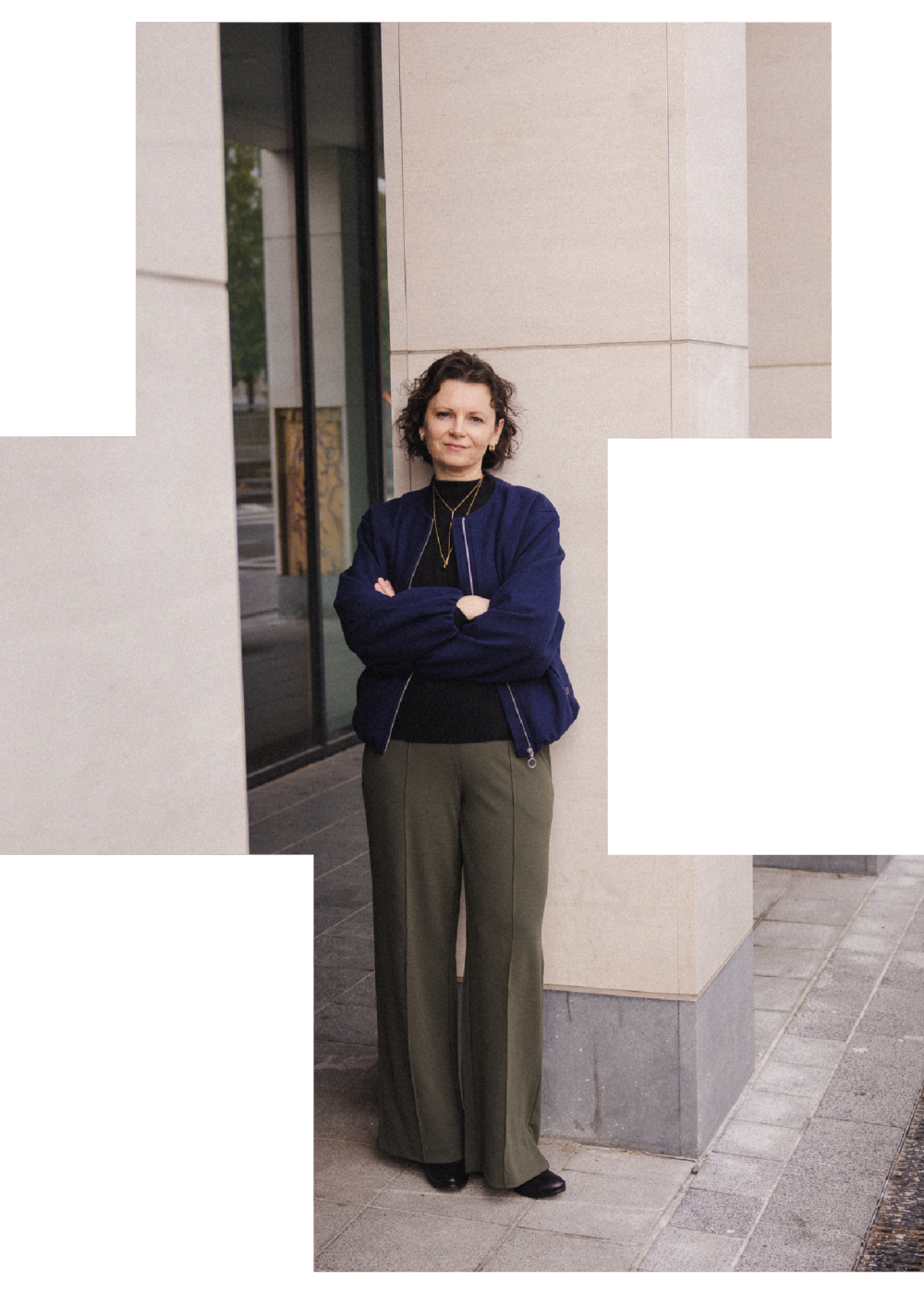
Ingrida Bagdanavičiūtė on contributing to the European Digital Identity Wallet


For Ingrida Bagdanavičiūtė, the European Digital Identity Wallet project is about turning a major European ambition into something practical.

As a Principal Analyst at Netcompany in Brussels, she is part of the team developing the EU-mandated reference implementation for the European Digital Identity Wallet.

The ambition is to make it easier for people to prove who they are and access services across borders. The challenge is bigger than creating another application. It is about establishing a common approach to digital identity that can work across countries, institutions and everyday situations.

»We are contributing to shape a common foundation for European digital identity in a very fast-moving environment,« Ingrida says.

This is building what matters. 
Making digital identity work across borders

When Ingrida explains the purpose of the wallet, she starts with situations people already recognise.

Today, proving your identity online can involve several accounts, uploaded documents and more personal information than a service actually needs. The process can become even more difficult when accessing a service in another EU Member State.

The European Digital Identity Wallet is intended to make this simpler. A person could use a wallet on their phone to confirm their identity, present a digital driving licence or share proof of a qualification.


Building in an emerging field


One of the defining challenges for Ingrida and the team is that the environment around the project continues to evolve.

The work sits at the intersection of legislation, cybersecurity, technology and user experience. A legal requirement may be clarified. A security standard may change. Testing may reveal a new need.

Ingrida and her colleagues must understand what each development means for the wider solution and help the team adapt without losing sight of the European ambition behind the work.

»The challenge is not to build something that works today,« she says. »It is to build something that remains relevant while the environment around it is constantly maturing.«

That is also what makes the project exciting from her perspective. The team is not simply implementing an established solution. They are working in an emerging field, navigating questions without fixed answers and helping shape how digital identity can work at European scale.

Connecting law, technology and people

As one of four business analysts on the project, Ingrida helps connect the different disciplines involved.

She and her fellow analysts review legislation, technical material, stakeholder feedback and findings from pilot projects. They work with developers, architects, security specialists and user experience experts to turn broad principles into decisions the team can build and test.

For Ingrida, this means asking practical questions. What should a person be able to do? What information should a service request include? What choices should appear on the screen?

»You can have a legal requirement saying the user must remain in control of their data,« she explains. »A business analyst helps the team understand what that actually means in practice.«

Her role is to bring different perspectives together, identify dependencies and help the team move forward when there is no simple answer.

It requires her to understand how decisions made in one area may affect the rest of the solution, and to help specialists from different disciplines reach a shared understanding.

Keeping the person at the centre

When the path forward is unclear, Ingrida says the team returns to the person who will use the wallet. 

»We always have to think about the person when building this application,« she says. »We put a human being at the centre of it all, and then it becomes easier to make decisions.« 

The wallet must work for people with different levels of digital confidence. Users should be able to understand what information is being requested, what they are choosing to share and what will happen next, without needing to understand the complexity behind the solution. 

For Ingrida, creating that simplicity depends on collaboration. Legal, technical, security and user experience perspectives must come together, and team members must be willing to challenge their assumptions. 

»You have to be curious and listen to what people have to say,« she says. »You can tackle a large project like this only by being open and working with others.«

Building for European-scale impact 

For Ingrida and the team, the opportunity is to contribute while the foundations of European digital identity are still being shaped. 

A shared digital identity foundation could support how people access public services, education, financial services and other important parts of everyday life across borders. 

The work gives Ingrida the opportunity to navigate emerging requirements, collaborate across disciplines and help translate a European ambition into something countries and organisations can build upon.